Over the last 12 months, outbreaks across human and animal health have exposed the same operational weakness: molecular confirmation still arrives far too late to reliably interrupt disease transmission.
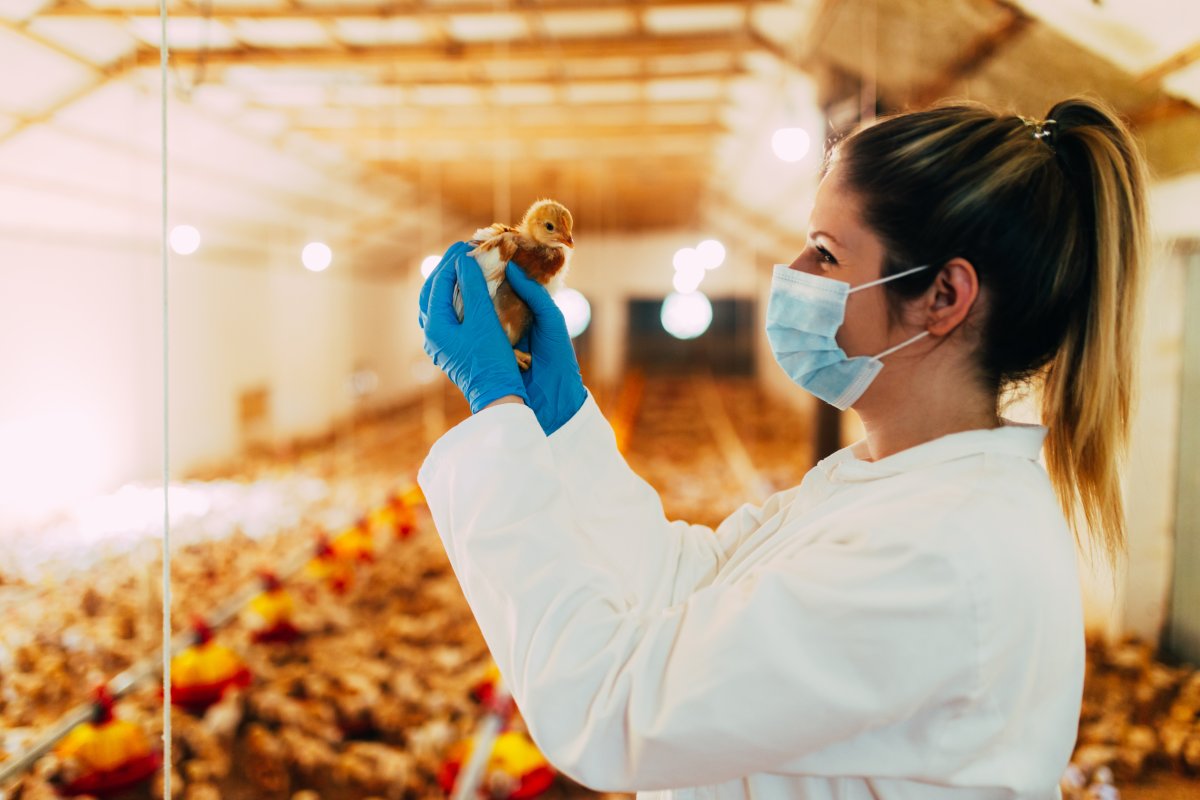
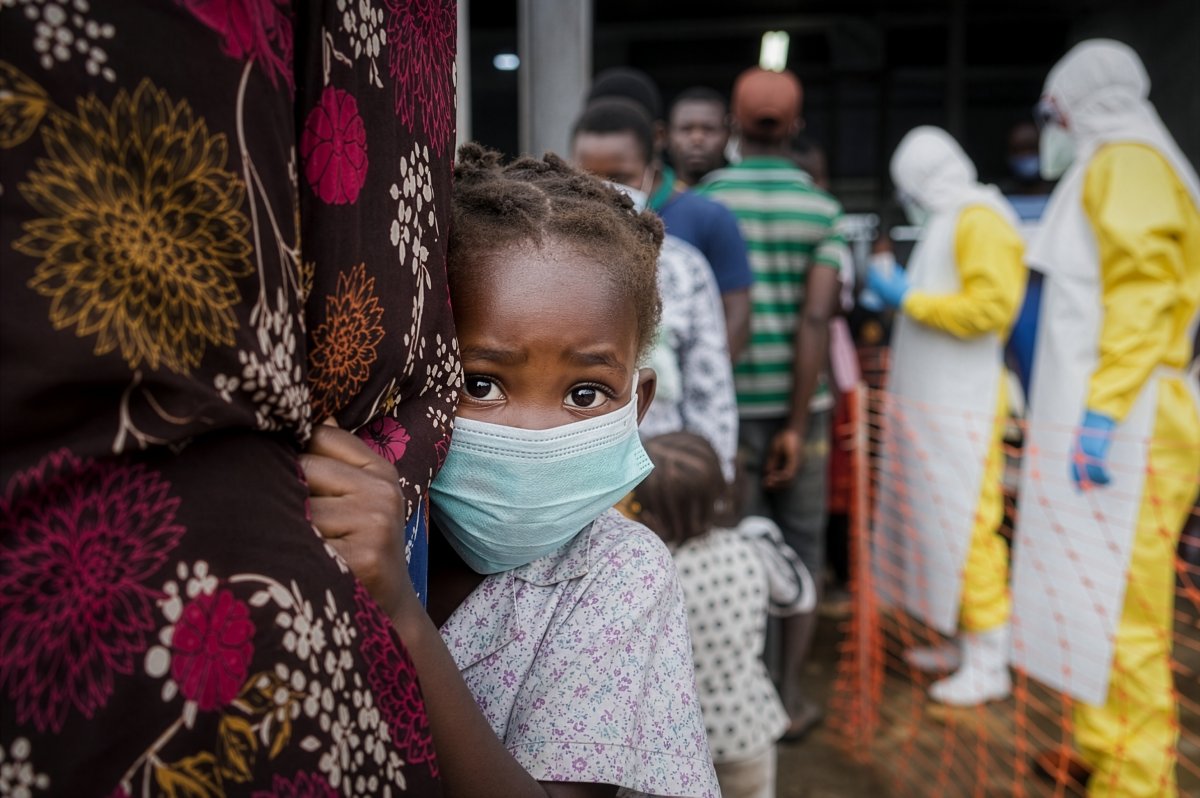
H5N1 moved from wild birds into poultry, mammals, and dairy cattle in the US, with at least 71 confirmed human infections since early 2024 (CDC). African swine fever continues to drive transboundary risk across Europe and Asia, where earlier herd-level detection remains central to containment. Mpox clade I and Ib continued cross-border spread across Africa, with more than 23,000 suspected or confirmed cases reported in DRC in 2024 (HPSC). Recent hantavirus events have again highlighted the surveillance gap at the environmental interface, where delayed results lead to delayed decisions.
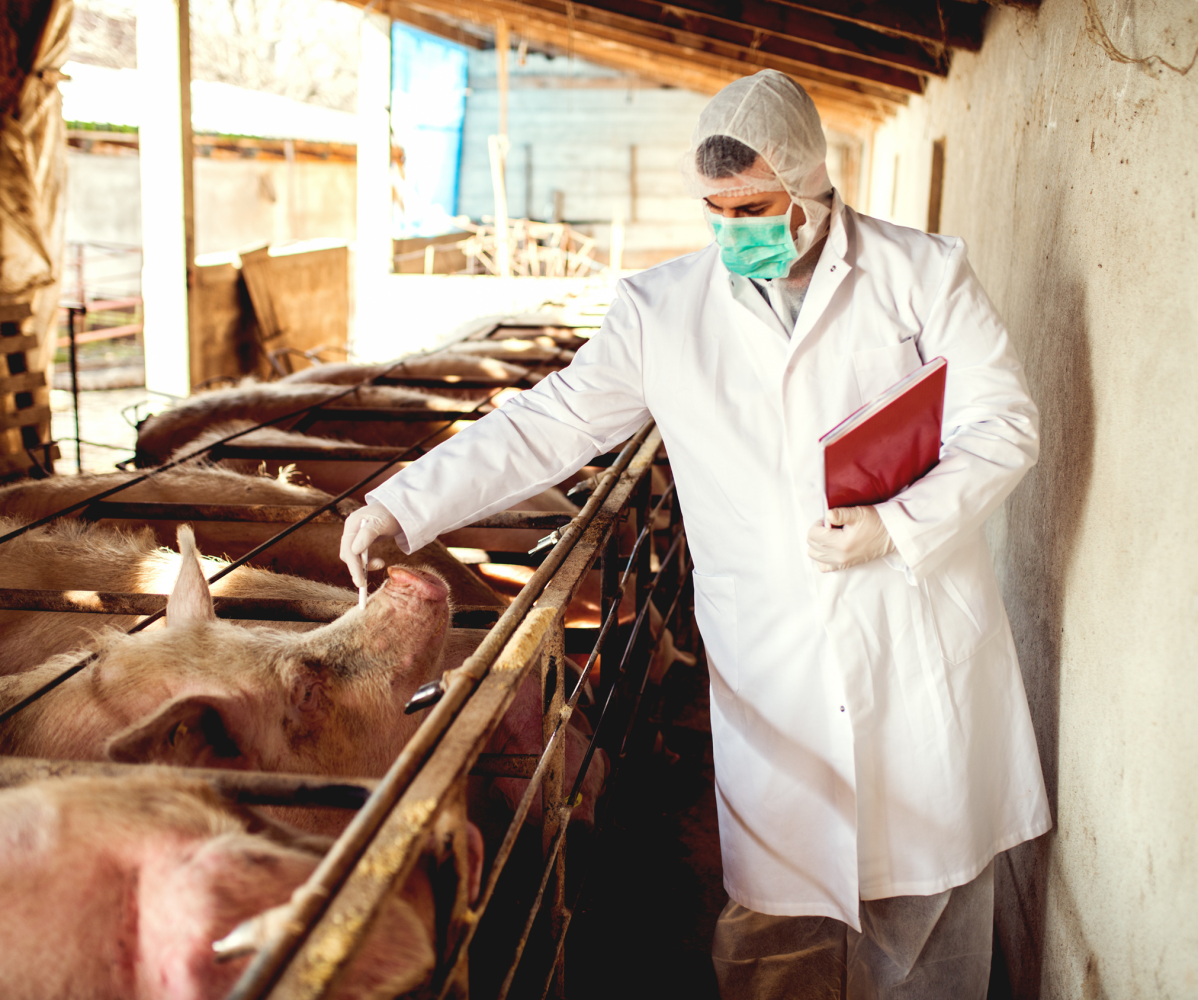
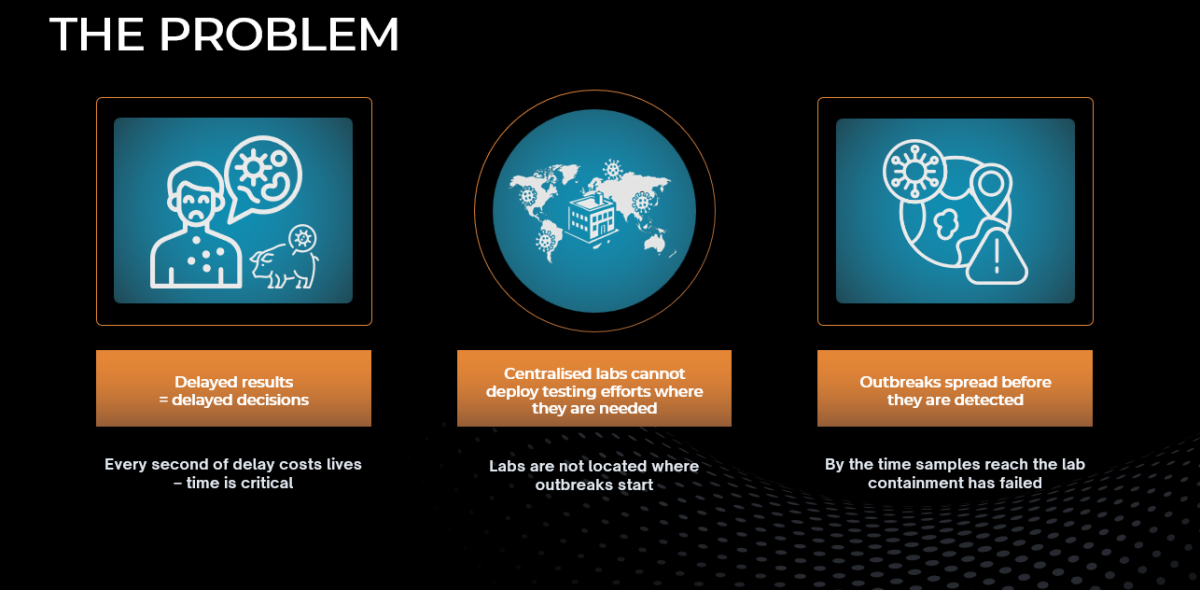
Different pathogens. The same constraint. By the time samples are collected, transported, processed, and reported using centralised workflows, the most critical containment window has been missed.
That is the preparedness gap. Not analytical sensitivity - but operational delay. Faster molecular action is needed at the point of transmission where outbreaks first begin.
Preparedness is defined by how quickly systems can be deployed, detect and adapt to emerging threats. Molecular action can no longer be constrained by what central laboratories can confirm.
How CENOS is Closing the Preparedness Gap
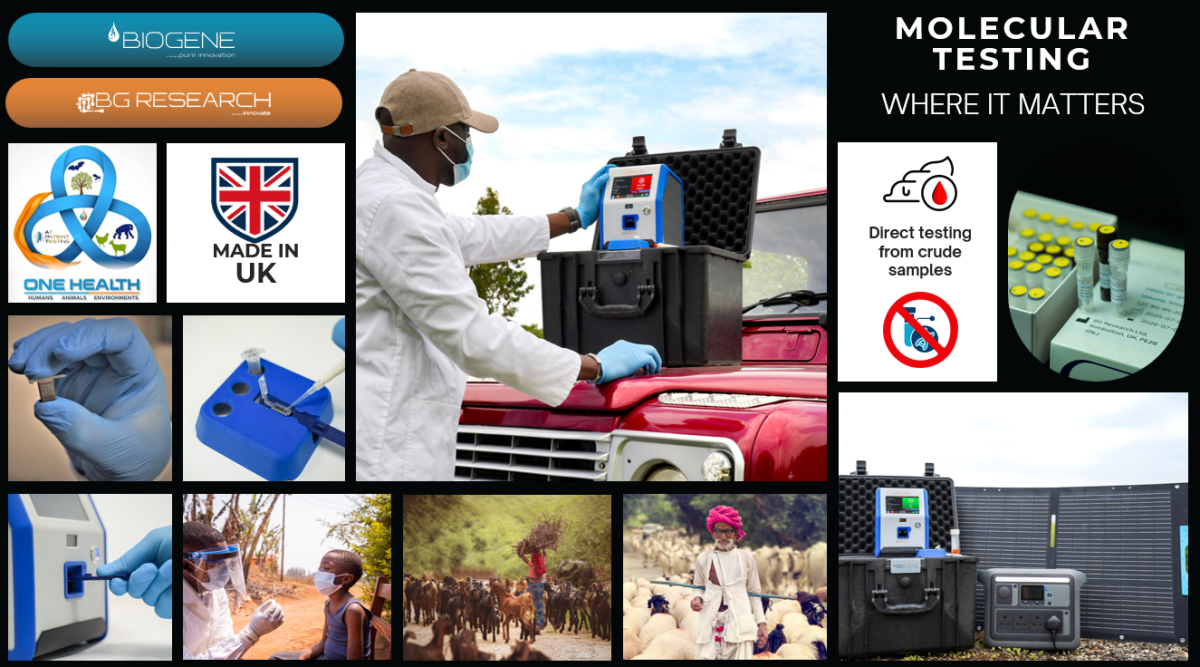
CENOS is an innovative, game-changing Point-of-Decision Molecular Analysis platform built for delivering lab-equivalent multi-target RT-qPCR in under 30 minutes, directly from crude samples, including uniquely from blood, without extraction, central laboratory dependence, or specialist molecular operators.
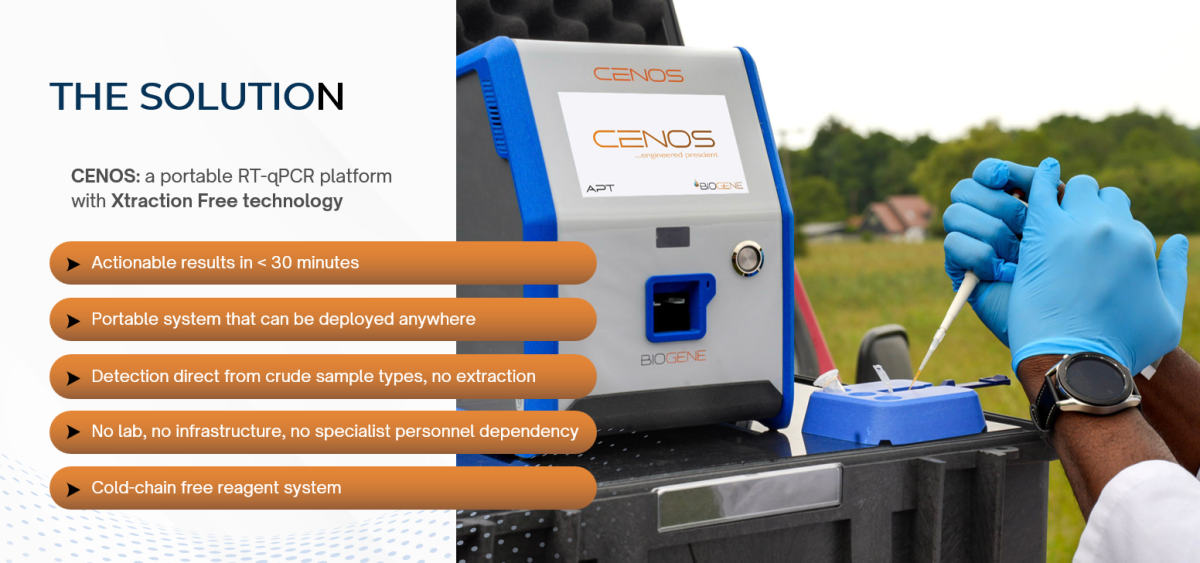
The platform is built for assay agility and scalability: moving from aligned sequence and deep sequencing data to a deployable ISO 13485 validated assay in as little as six weeks.
That makes earlier detection, faster adaptation, and more practical containment possible at the point of transmission providing actionable results.
Discover more at www.biogene.com
Sources
CDC H5N1 update: https://www.cdc.gov/bird-flu/situation-summary/index.htmlHPSC
Mpox surveillance update: https://www.hpsc.ie/a-z/researchandguidelinedevelopmentunit/researchandevaluation/weeklyevidencesurveillance/weeklyevidencesurveillancedigest/weeklyevidencesurveillancedigestarchive/20062025%20WES.pdf