We Must Act Earlier
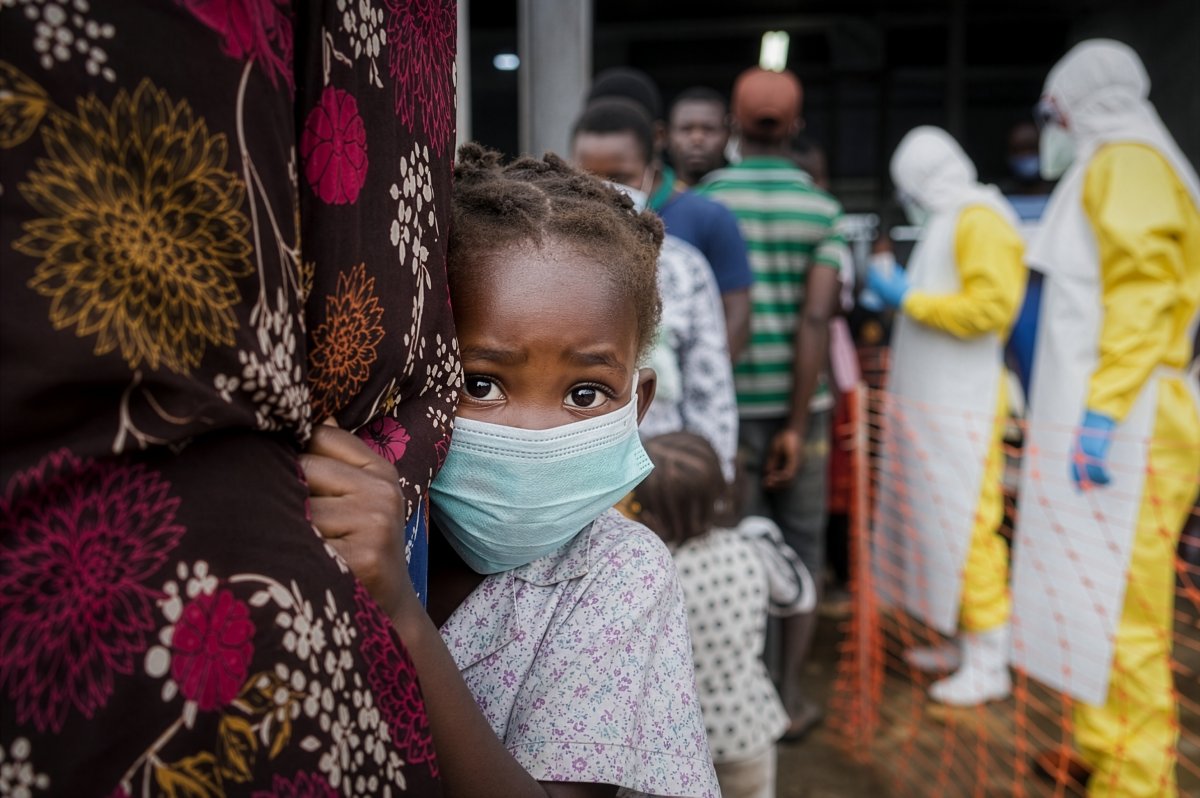
Global health systems face a persistent failure point and operational gap. Detection happens too late. Despite recent “joined-up” One Health positioning from FAO–WHO–WOAH, the operational gap remains stark. Outbreaks still start, spread and escalate before any proactive action is taken. Ensuring early detection directly at the outbreak source is critical.
Let's Talk Numbers
The data is clear...and alarming:
- Up to 75% of emerging infectious diseases are zoonotic
- In many regions, over 60% of cases go undetected at source due to lack of field diagnostics
- Standard PCR workflows often take 24–72 hours, or longer once transport and backlog factor in
The Cost of Delay
- Early-stage intervention opportunities drop by >50% within the first 48 hours
- Outbreak size can increase 3–5x when detection is delayed beyond initial spread
- Animal disease outbreaks alone cost $20–30 billion annually, with high spillover risk into human populations
- The World Bank estimates that every $1 invested in early detection saves up to $100 in response costs - yet most systems still fund response over prevention

How Can CENOS Close the Operational Gap?
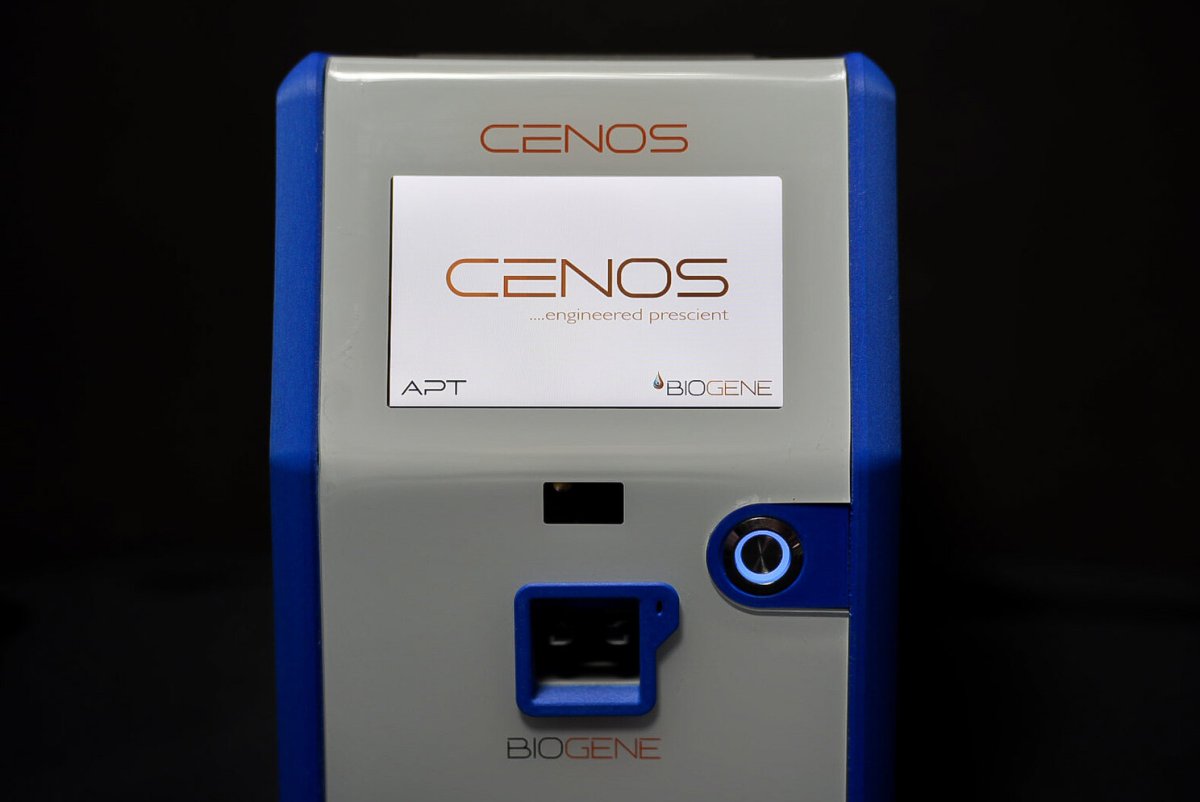
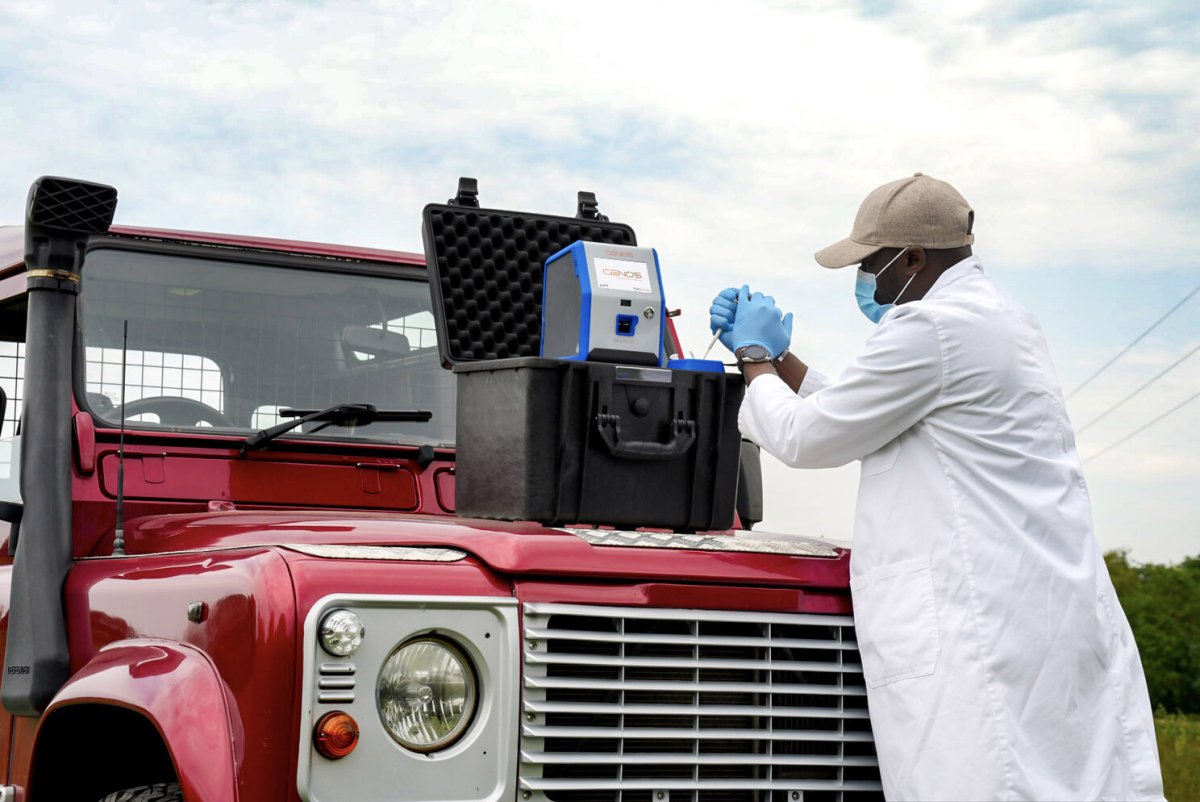
A portable real-time PCR platform technology that can be deployed anywhere in the world to monitor, gather and map surveillance data. CENOS delivers results in >30 minutes directly from crude samples inputs including whole blood without upstream extraction and purification processes.
CENOS supports real-time cross-species surveillance of zoonotic threats including disease reservoirs and vectors. The platform enables frontline teams to detect, contain, and intercept the transmission of zoonotic diseases directly at their point of origin - before they establish themselves and spillover into human populations. Testing happens at the point of infection, not days later in a central facility.
Commercial & Operational Impact
CENOS lowers field execution cost (FEC) by removing transport, extraction processes, infrastructure, and repeat visits. In many settings, logistics account for over 50% of total PCR cost. CENOS collapses that burden and enables test-and-act in a single interaction. It standardises workflow, reduces operator variability and supports reliable, high-frequency testing in real-world conditions.
For Low to Middle Income Countries (LMICs), this changes the model entirely. Surveillance no longer depends on lab access or capital investment. Field teams can deploy rapidly, test continuously and scale coverage without operational bottlenecks. This increases sampling density and captures localised infections that would otherwise go unreported.
CENOS aligns with what global frameworks now recognise - but do not yet operationalise at scale. It places molecular testing at the frontline, reduces cost barriers and enables continuous surveillance where risk is highest.
The strategic shift is simple: detect earlier, act faster, contain sooner.
Sustainable Global Health Security
A One Health approach that focuses on safeguarding global health at the human-animal-environmental interface is the key to achieving sustainable global health security.
The CENOS platform unites experts across all sectors to break the transmission cycle at the source - before diseases can cross species and become a serious threat.
Targeted testing of humans, animals and the environment helps to address the full spectrum of disease control - contributing to global health equity and security.

For more information, please visit out One Health page.