The 2026 Ebola outbreak in the Democratic Republic of the Congo (DRC) is still spreading on a dangerous trajectory – here’s what we know.
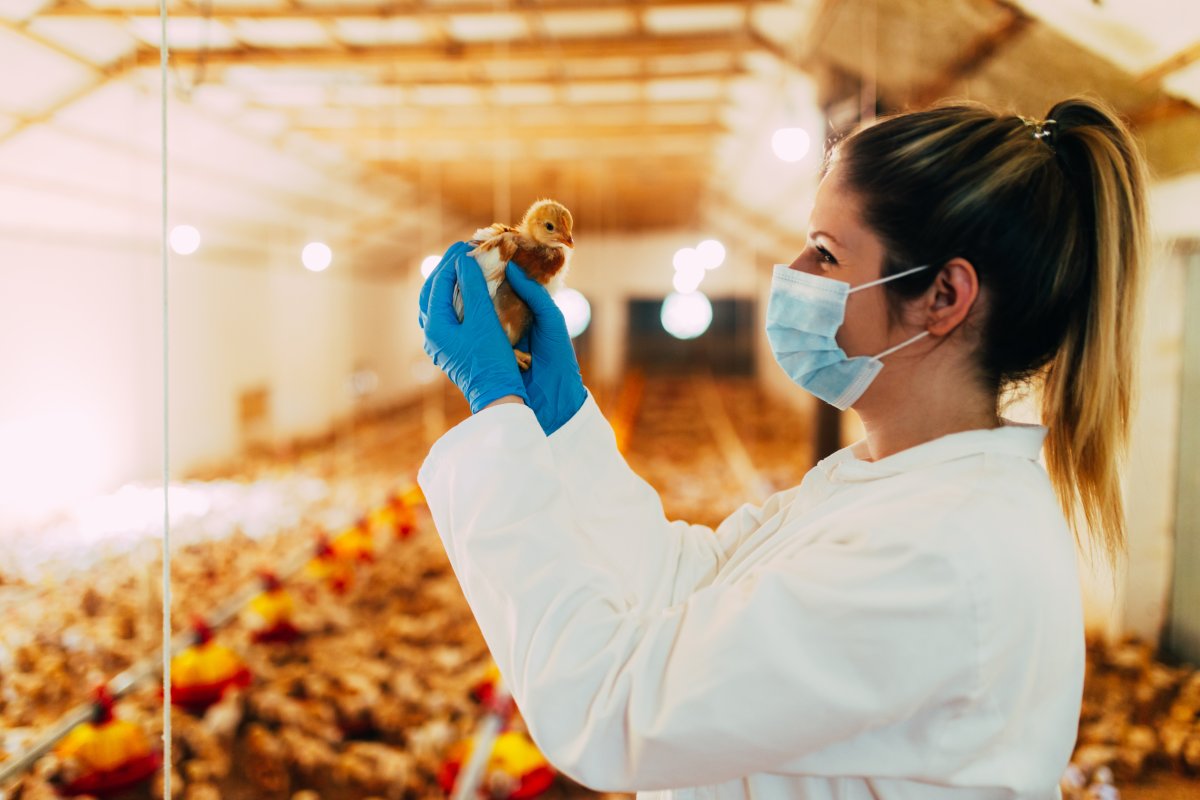
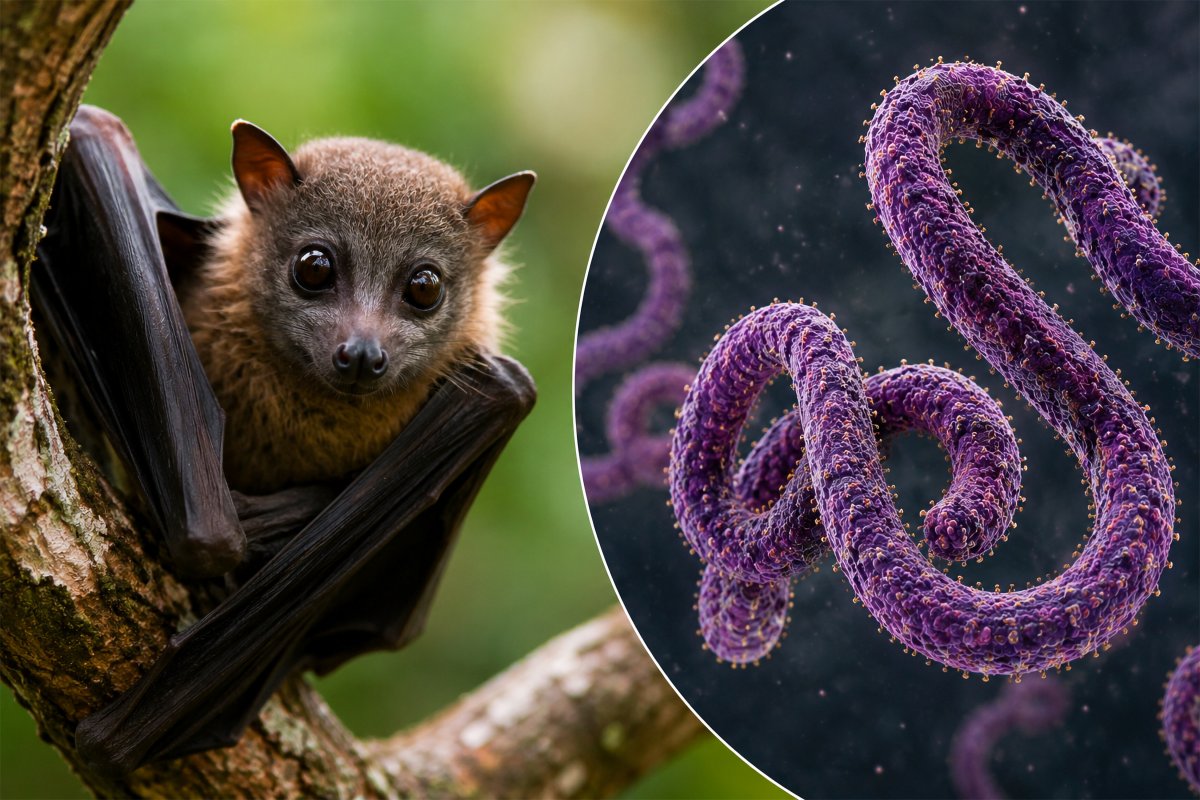
The outbreak, was officially declared on 15 May 2026, but it is believed the outbreak began at least three months before then - meaning the health authorities are still playing catch-up [1]. It is caused by the Bundibugyo virus (BVDV) - one of the Orthoebolavirus species. It is lethal, spreads rapidly and there are currently no approved vaccines available. BVDV normally infects animals, typically fruit bats which are suspected to be the natural reservoir, but is a zoonotic disease so can spill over to humans. Ebola is highly contagious and spreads through infected bodily fluids, such as blood, vomit and other secretions. Early symptoms such as fever, fatigue, muscle pain, headache, and sore throat, are non-specific, which complicates clinical diagnosis and can delay detection.
The current outbreak of Ebola in the Democratic Republic of Congo is on track to surpass the deadliest outbreak of the disease ever. It is spreading faster than the efforts to contain it with over 4,300 cases and 2,000 deaths. Tedros Adhanom Ghebreyesus told reporters that the 2026 outbreak, "at its current pace", would "eclipse" that of the 2014-2016 occurrence, which killed at least 11,000 people. He also cited research showing that the virus started spreading in February and was initially misdiagnosed as malaria or typhoid [1].
The World Health Organization (WHO) has declared this outbreak a public health emergency of international concern. The Africa Centres for Disease Control and Prevention (Africa CDC) and WHO, together with partners, launched a joint Ebola continental preparedness and response plan, with an ask of US$ 518 million to support African countries to prepare for, rapidly detect and respond to the outbreak [2]. This include interagency coordination and deployment of field teams, delivery of medical supplies, strengthening surveillance, increasing laboratory capacity, infection prevention and control, the set-up of safe and optimised treatment centres, risk communication and community engagement, and research on potential medical countermeasures.
Containment requires stronger collective action and a faster response
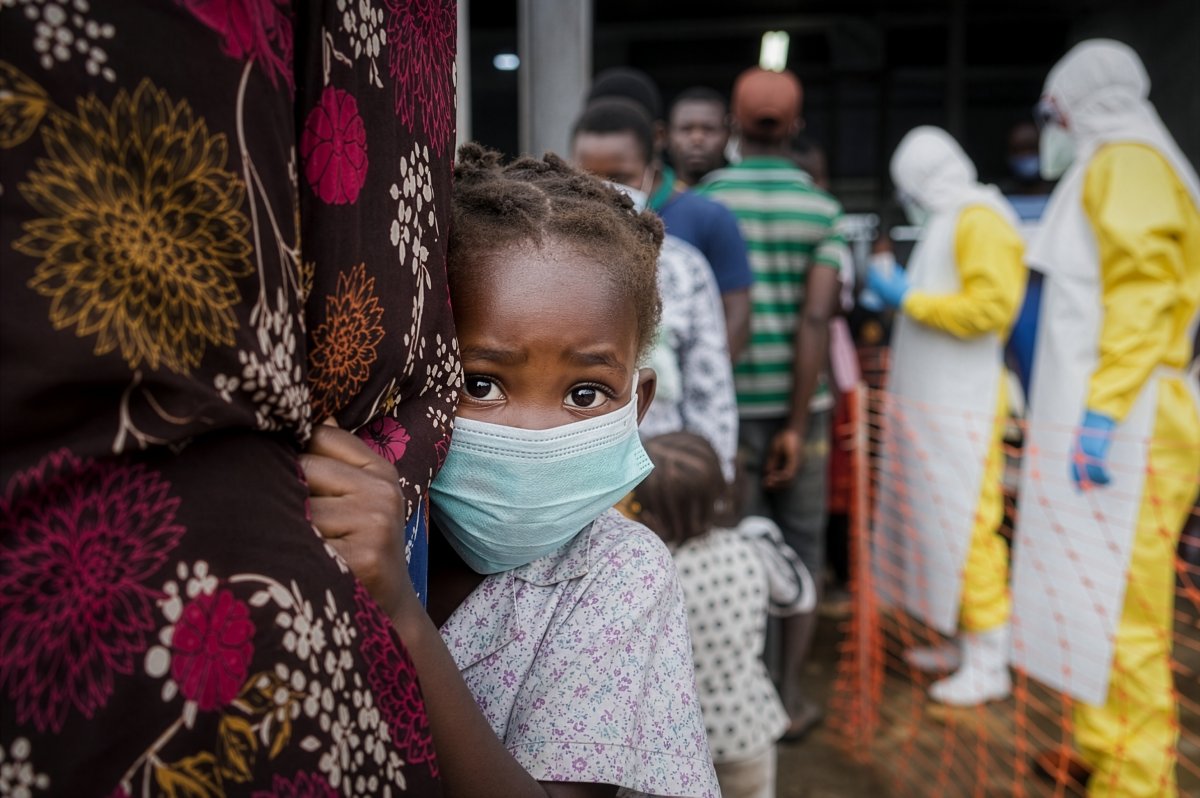
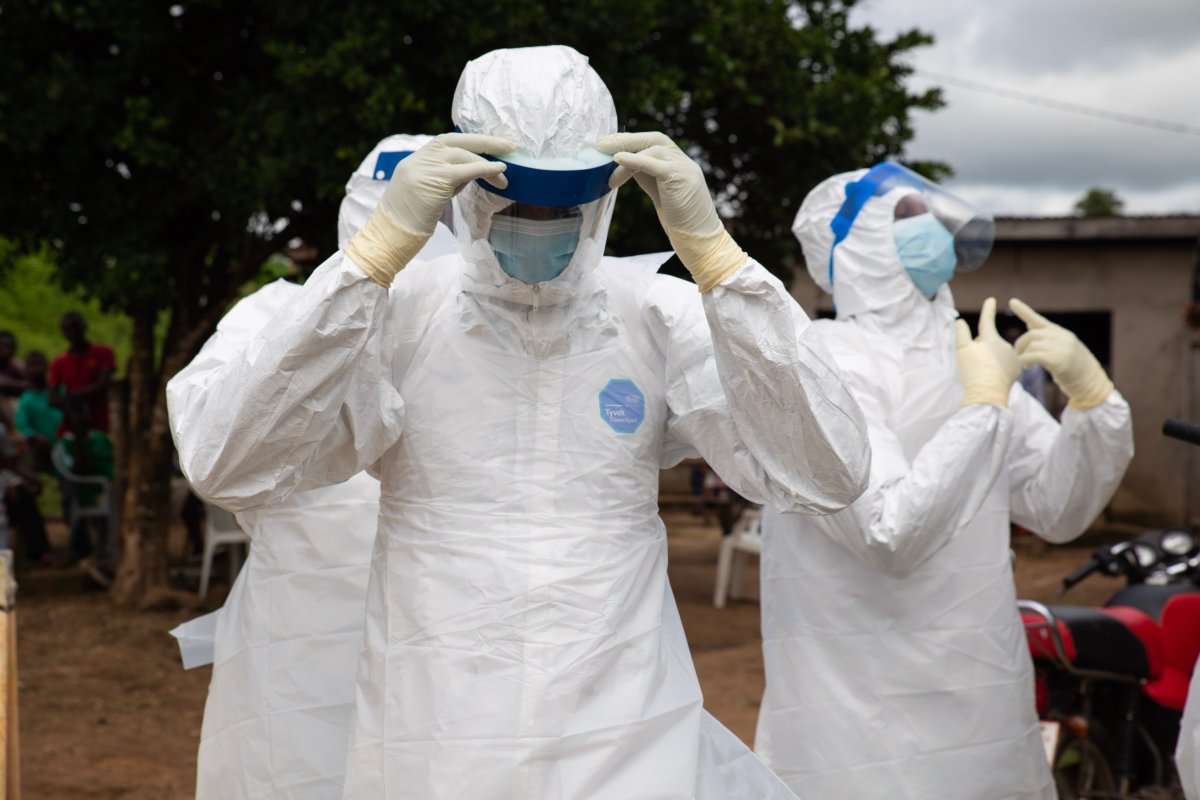
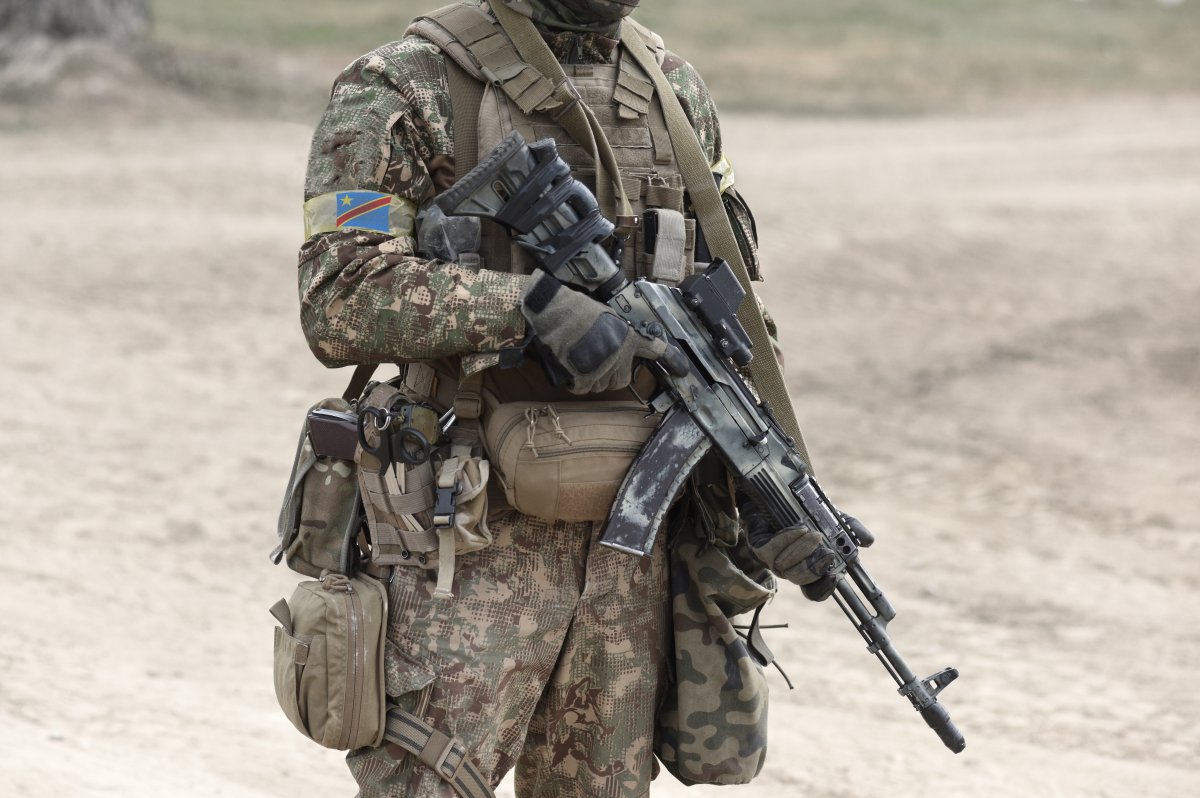
The outbreak is unfolding in one of the most complex environments imaginable - armed conflict, mass displacement, cross-border movement and a fractured health system have made it extraordinarily difficult for health workers to reach communities, trace contacts and safely isolate patients. Health workers are currently risking everything in the line of duty from exposure to the virus to armed attacks from rebel militants [3].
There has to be a faster response with outbreak detection and containment. Confirmation cannot wait for days whilst samples are transported to central lab testing facilities – of which many are currently struggling with capacity resulting in long turnaround and response times. Testing efforts must be deployable to decentralised settings where the outbreak is happening to promote community engagement and support rapid clinical decision making. For containment to be possible the response must progress faster than the spread of the virus.
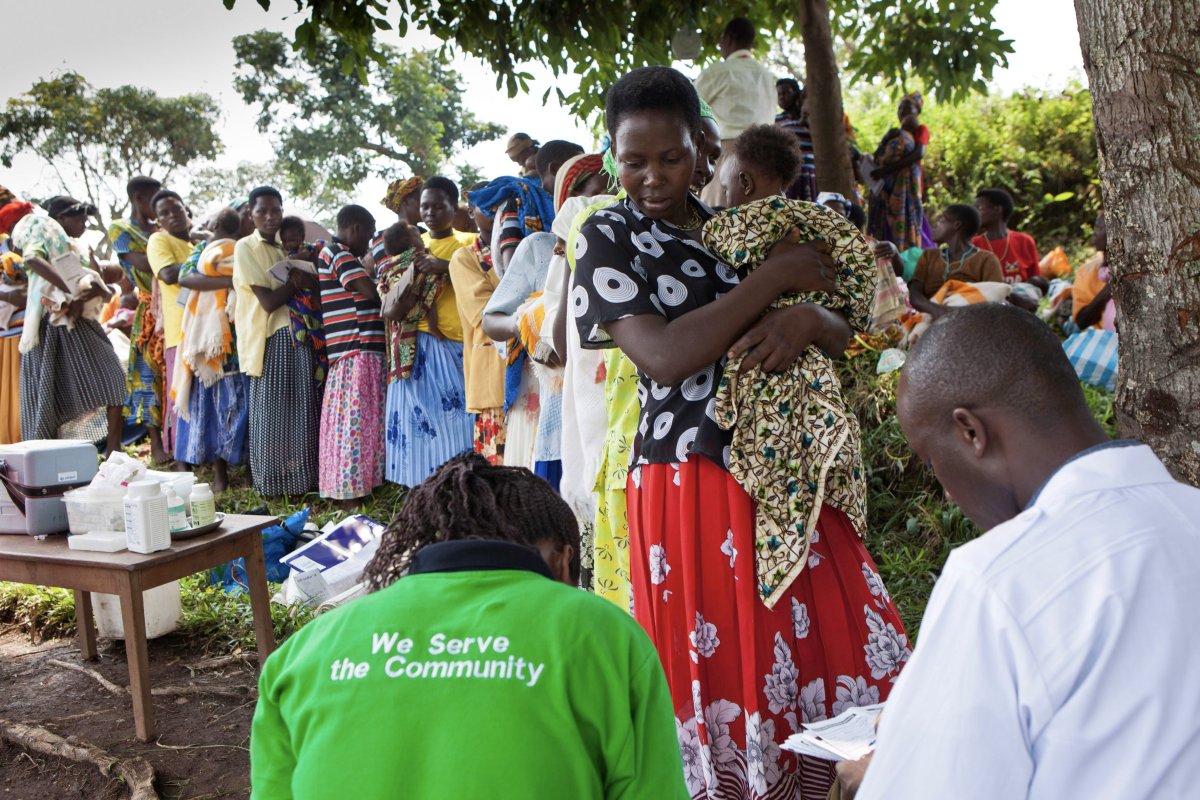
How BIOGENE is Supporting Response Efforts
BIOGENE is working closely with public health authorities to mobilize the CENOS platform to support healthcare workers on the ground.
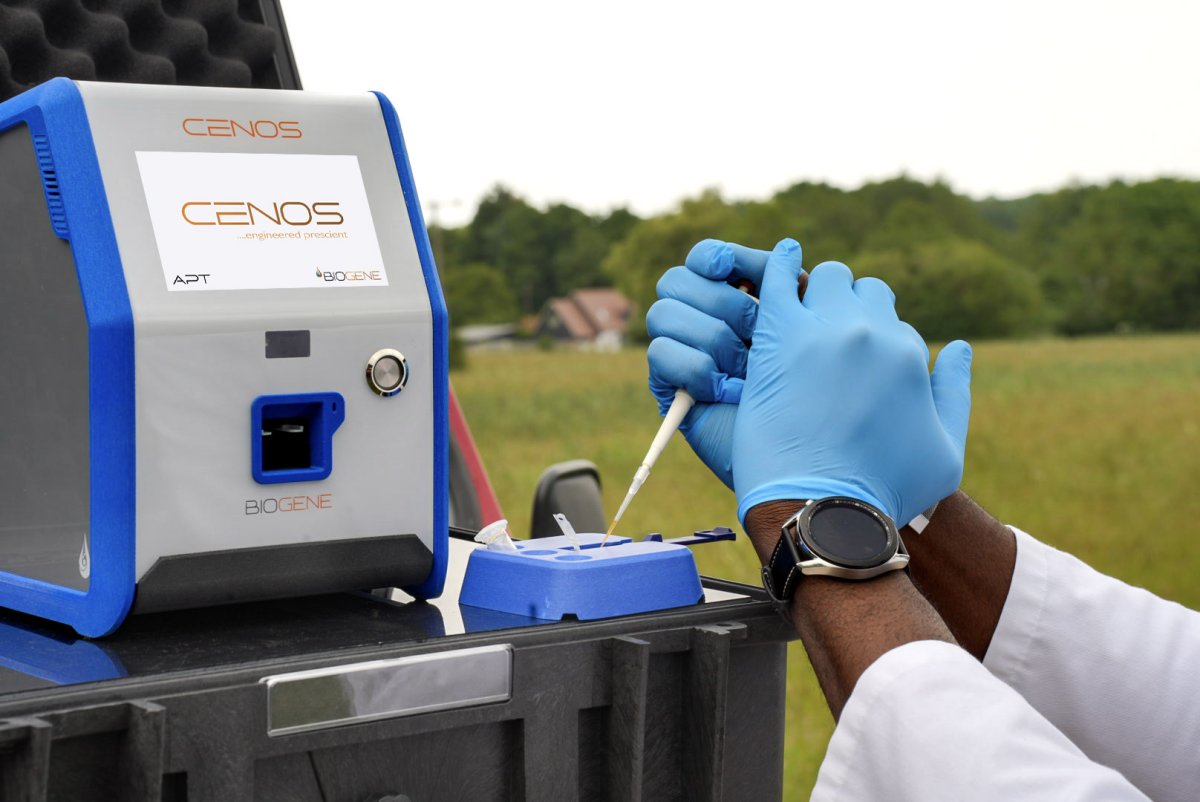
CENOS is a portable RT-qPCR platform technology that enables the direct detection of the Bundibugyo virus (BVDV) from crude sample types, including blood in just 30 minutes using our proprietary Xtraction Free Reagent System. Cold-chain free, no upstream purification, simple to use and can be deployed exactly where testing efforts are required at the Point-of-Decision providing actionable results.
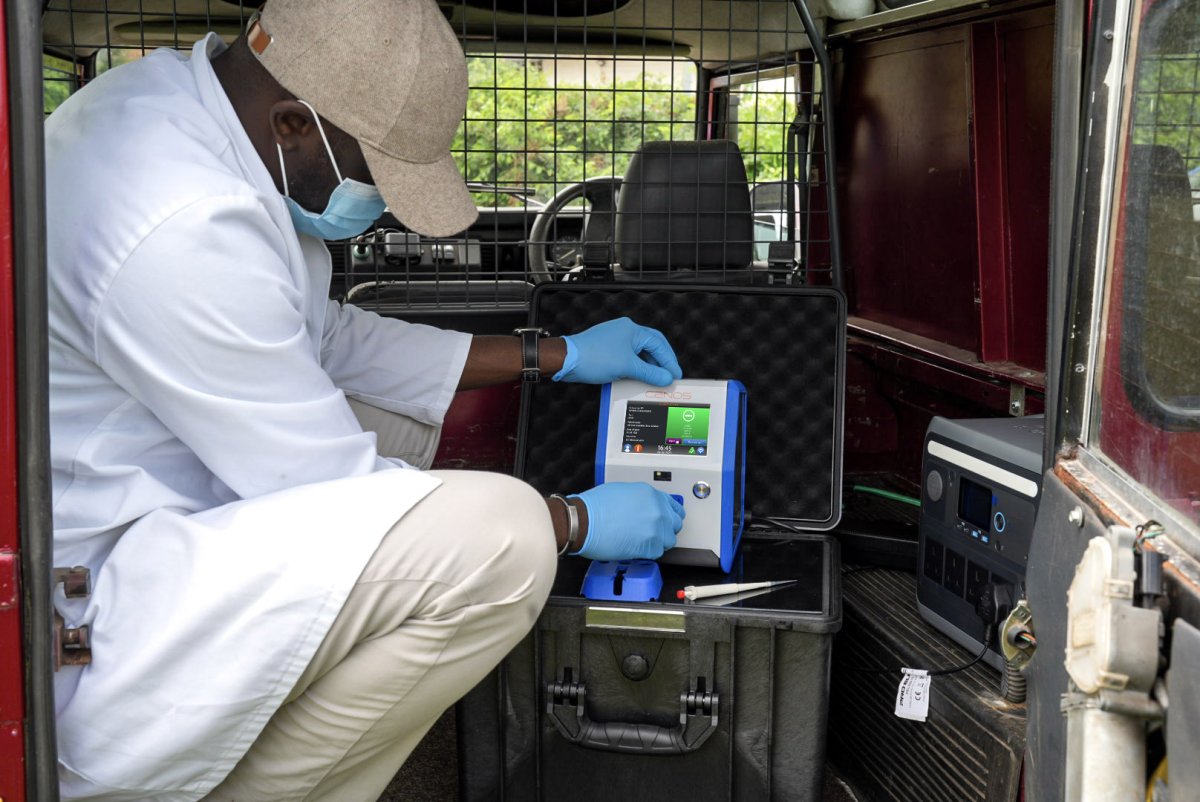
CENOS delivers multiplex detection meaning targets can be quickly and easily differentiated. This is needed to effectively diagnose patients given Bundibugyo virus shares non-specific symptoms with other common infectious diseases in the region such as malaria and typhoid.
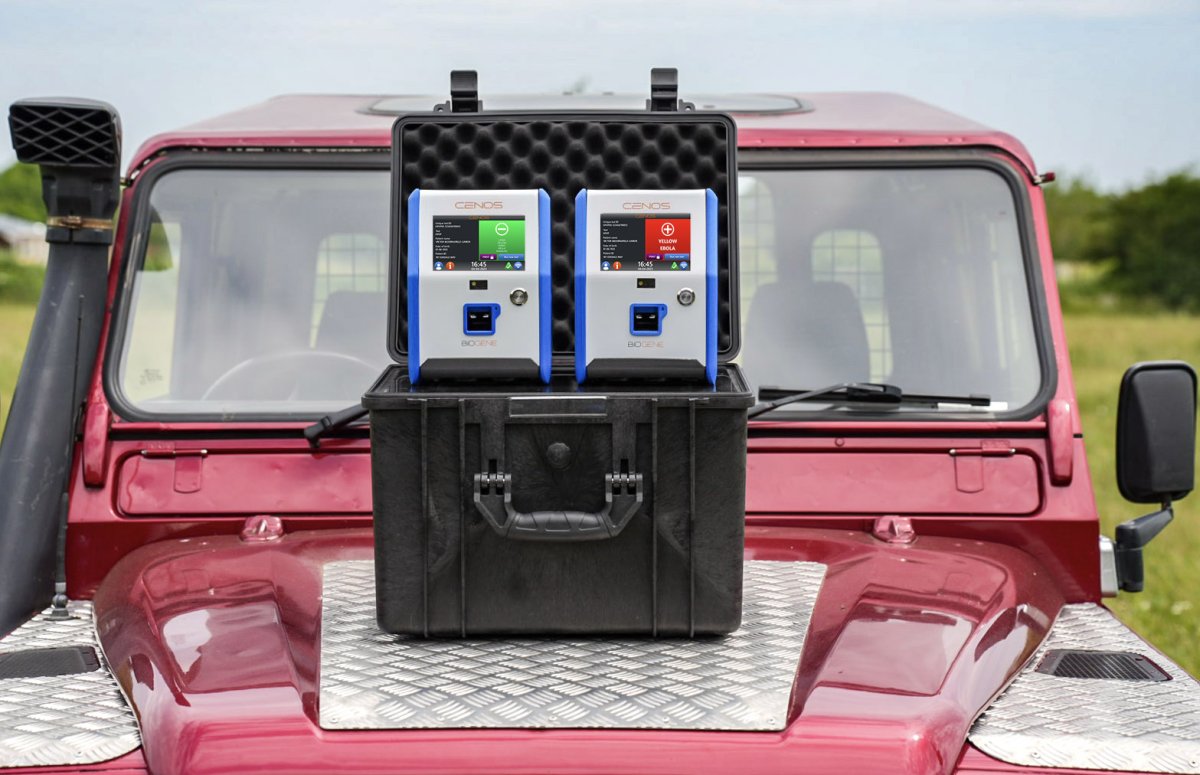
Bringing accurate testing closer to patients significantly improves response times, particularly in regions where access to centralised laboratory infrastructure is limited. Scalable molecular diagnostics support the early detection and effective implementation of public health interventions, contributing to preparedness and resilience of global health systems.
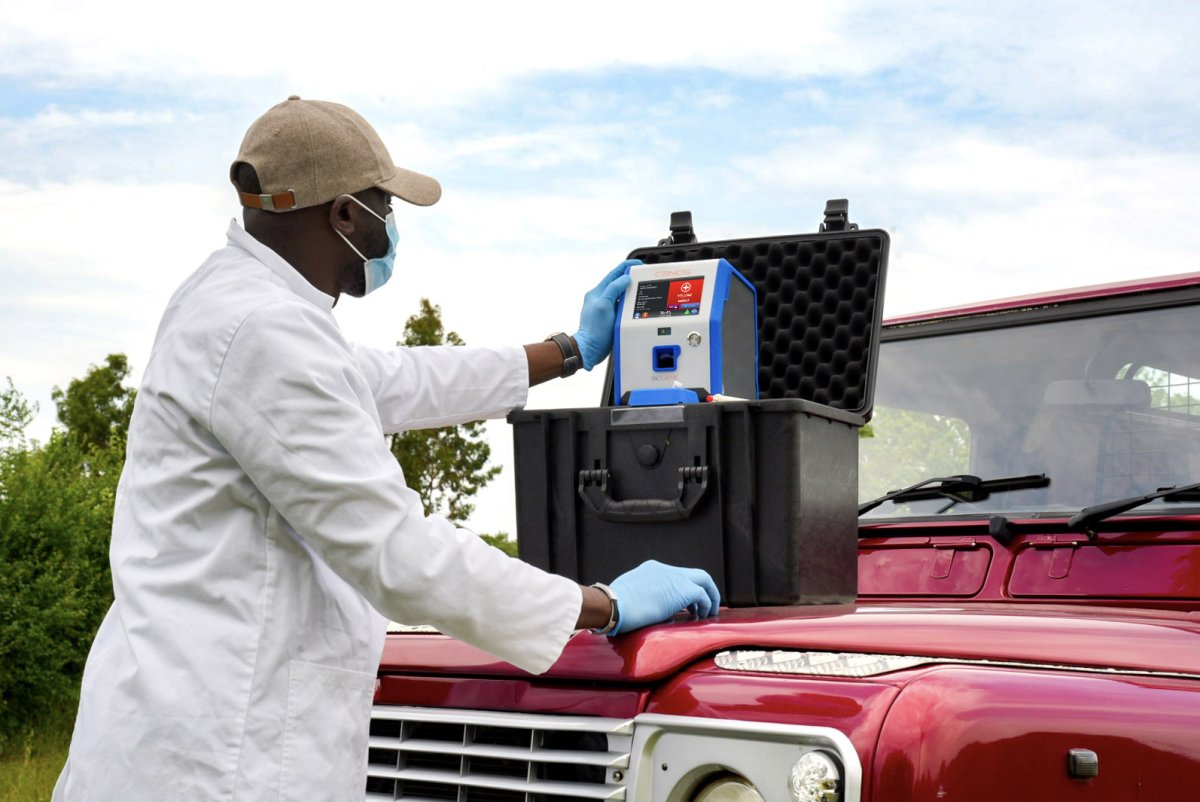
Strengthening Diagnostic Readiness
Ebola is exposing something troubling: the fragility of the systems designed to stop it. Too often, outbreak response follows a predictable pattern: panic when an outbreak occurs with the world scrambling to contain it, extravagant emergency funding while headlines dominate, and then gradual neglect once the immediate threat subsides [4].
Investing in strong systems means we can detect and prevent outbreaks earlier. It requires strengthened collective action, an accelerated response, coordinated outbreak prevention and control, localised surveillance and enhanced cross‑border collaboration. Containing this epidemic and future ones is within our reach - let’s make it happen.
References
1. BBC News Ebola outbreak on track to be deadliest ever, WHO chief says - BBC News August 13, 2026 [Accessed August 2026]
2. World Health Organization Ebola disease caused by Bundibugyo virus, Democratic Republic of the Congo & Uganda July 8, 2026. [Accessed June 2026]
3. The Guardian Ebola health workers killed and injured by rebel attack in Congo | Global health | The Guardian July 15, 2026. [Accessed June 2026]
4. The Telegraph To prevent the next Ebola outbreak, we must invest in local expertise July 13, 2026. [Accessed June 2026]